

Mimoza Llastica
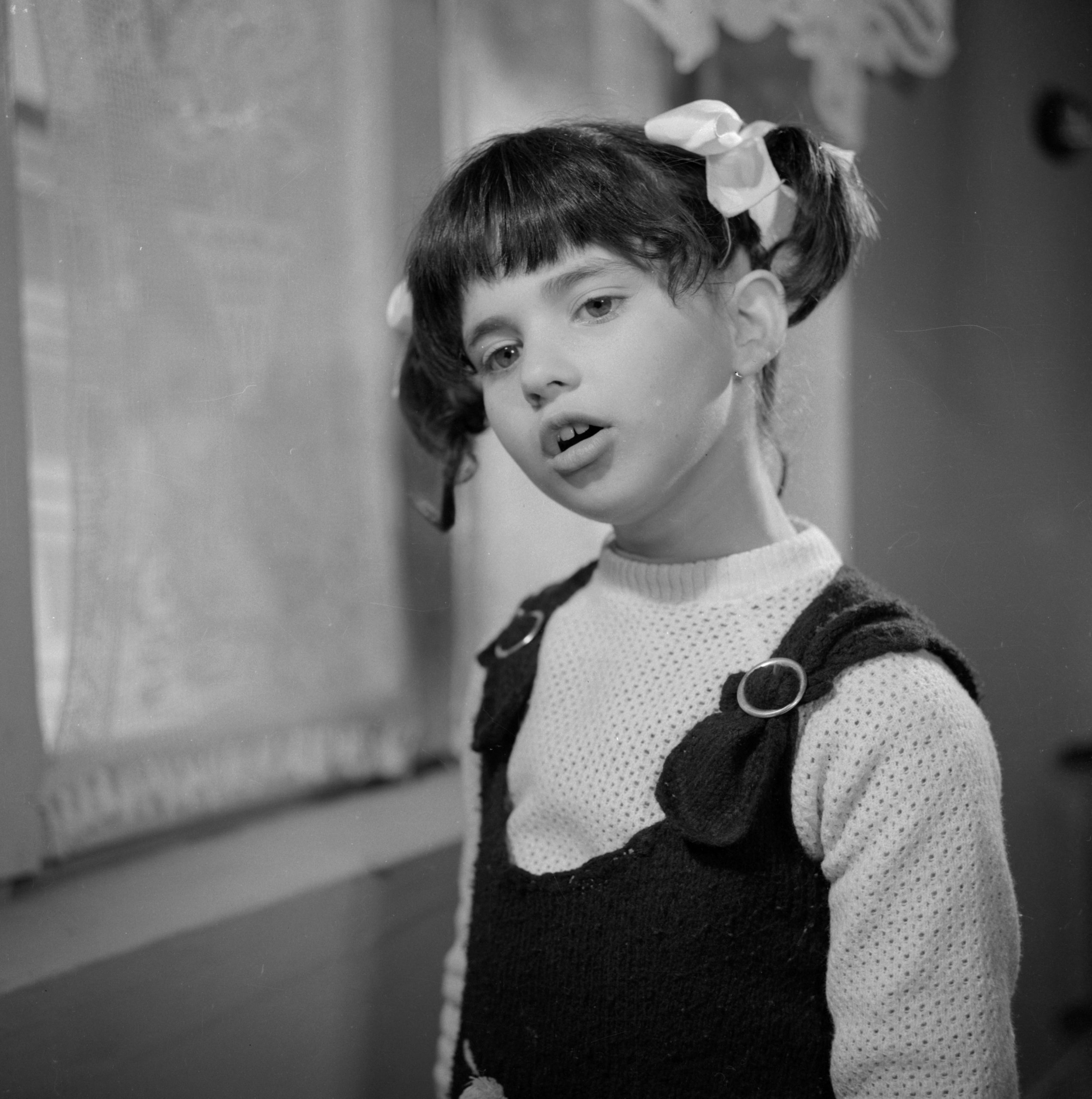
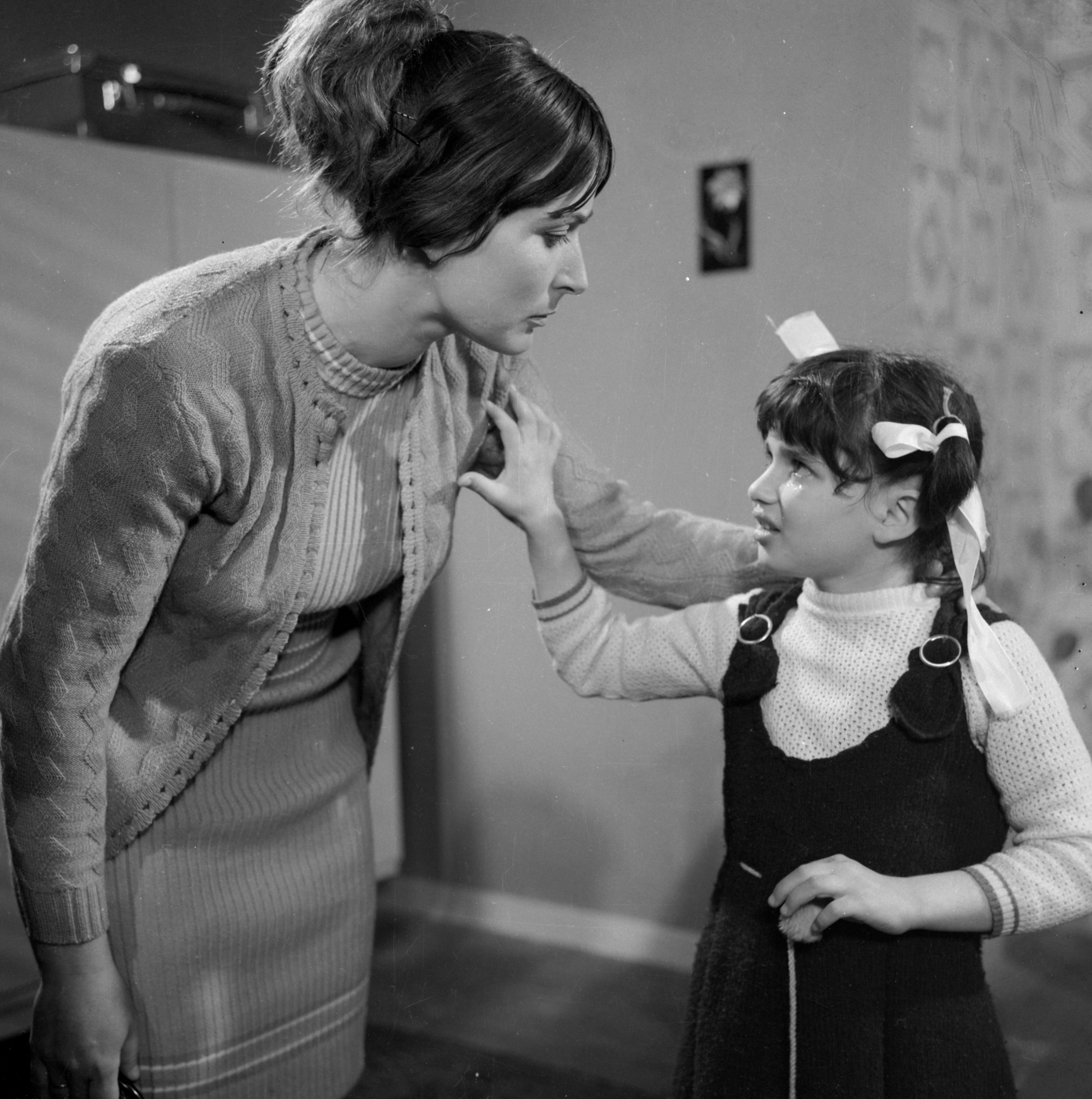
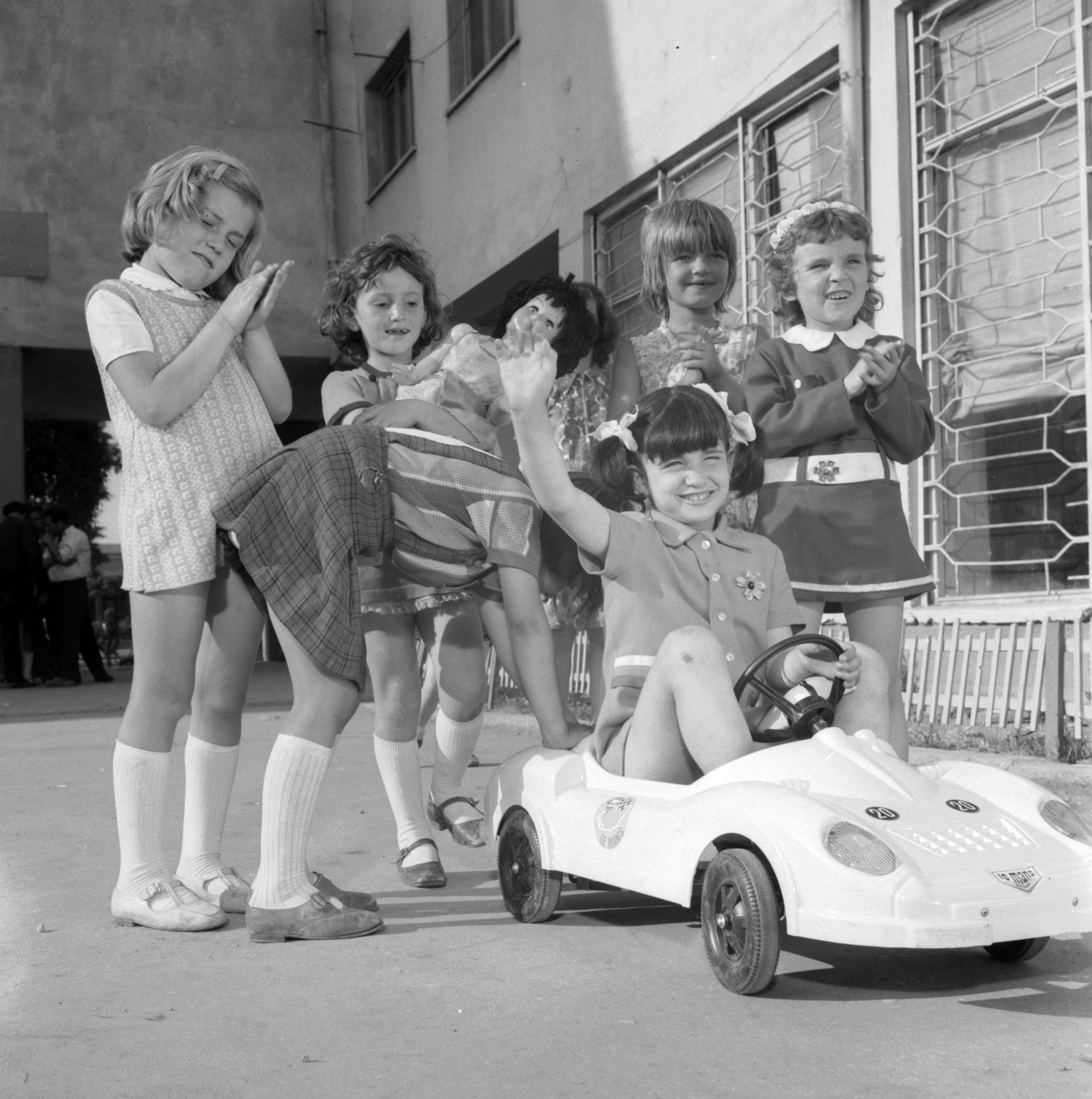
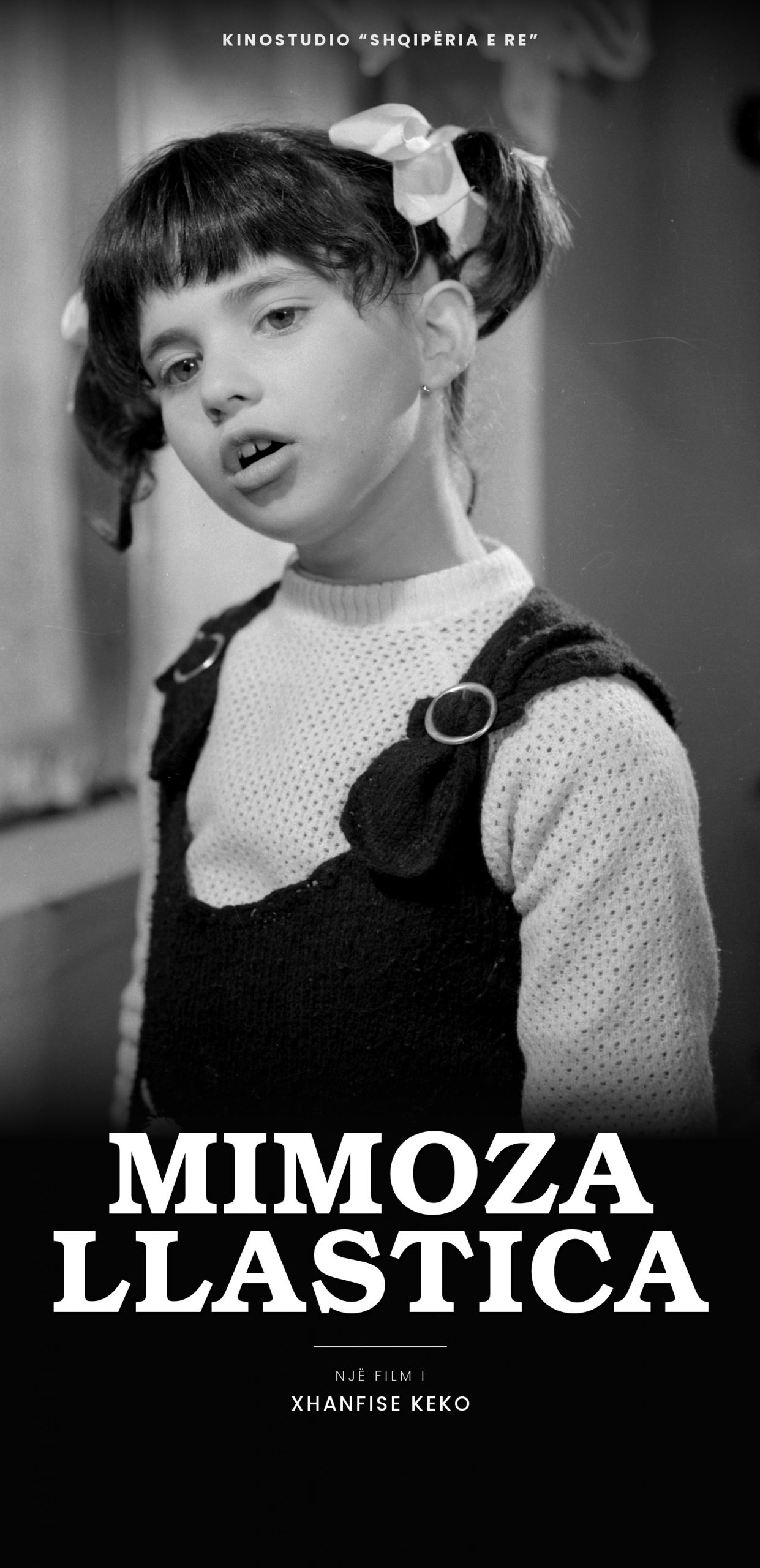
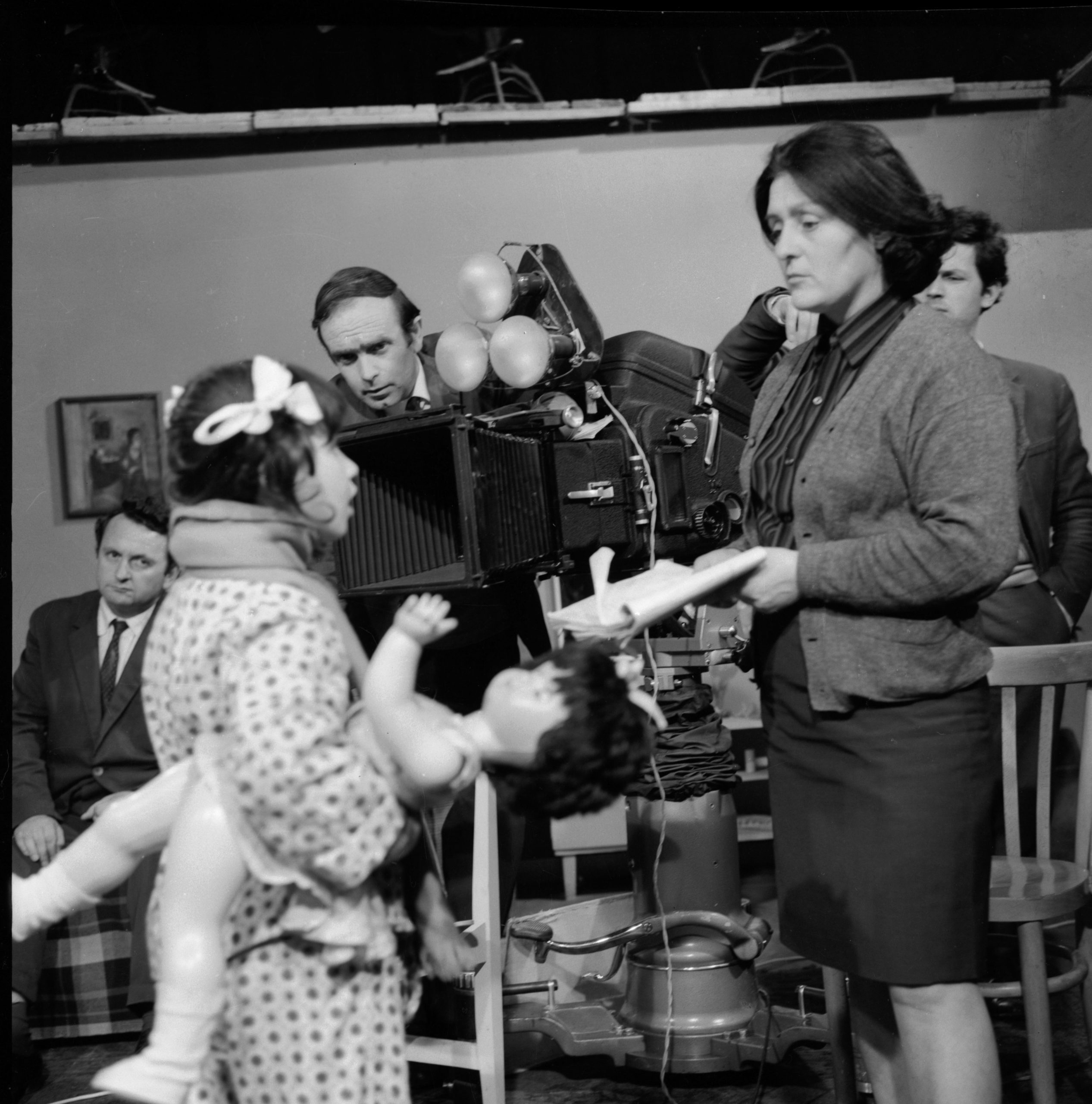
Mimoza, a stubborn and spoiled little girl, lives surrounded by excessive attention and care. She has her grandmother entirely at her disposal and constantly sends her friends out of the house, ruining all their games until she is left alone and regretful, with only her doll for company.
DIRECTOR BIOGRAPHY - Xhanfise Keko
Xhanfise Keko holds a special place in the history of Albanian cinema as the country’s best-known director of children’s films and one of the most important figures in Albanian culture of the 20th century. Through her artistic work, she contributed to the cultural development and education of generations of Albanian children, creating a rich cinematic universe characterized by humanism, sensitivity, and social values. She was born on January 27, 1929, in Tirana, at a time when the city was consolidating its identity as the capital of the Albanian state. After completing her secondary education, she pursued higher studies at the Gerasimov Institute of Cinematography (VGIK) in Moscow, one of the most prestigious film schools in the world. Her professional training at this institution provided her with a strong artistic and technical foundation, which she would later put to use in the development of Albanian cinema. After returning to Albania, Xhanfise Keko began working at the “New Albania” Film Studio, initially as an editor and later as a director. At a time when the profession of film director was almost entirely dominated by men, she succeeded in establishing a unique artistic profile and became one of the most original authors in Albanian cinema. Her directing career focused primarily on children’s films, a genre to which she devoted most of her creative life. Xhanfise Keko made films that remain, to this day, part of the collective memory of Albanians, including Beni Walks by Himself (1975), Tomka and His Friends (1977), Following the Tracks (1978), Taulant Wants a Sister (1984), Mimoza Llastica (1973), A Small Delay (1983), Çilimiu and the Distant Call (1976), When a Film Was Being Shot (1981), and other works that explore the world of children with realism, humor, and remarkable sensitivity. In her films, children are not portrayed simply as characters in educational stories, but as individuals with their own perspectives, emotions, and challenges. This approach distinguished Xhanfise Keko from many directors of her time and allowed her work to survive beyond the historical context in which it was created. In addition to their artistic value, her films today represent an important record of Albanian social life during the second half of the 20th century. Through them, authentic images of cities, schools, neighborhoods, and everyday life of the period have been preserved, giving her work significant documentary value as well. Xhanfise Keko’s contribution was recognized with numerous national awards and honors. In 1984, she was awarded the title “People’s Artist,” one of the highest distinctions granted to Albanian artists. Following her death, her legacy and work have continued to be recognized as an important part of Albania’s national cultural heritage. Xhanfise Keko passed away on December 22, 2007, but her legacy continues to live on through films that still educate and inspire new generations. She remains the director who shaped the identity of Albanian children’s cinema and one of the most important figures in the history of Albanian cinematography.
Xhanfise Keko
Xhanfise Keko holds a special place in the history of Albanian cinema as the country’s best-known director of children’s films and one of the most important figures in Albanian culture of the 20th century. Through her artistic work, she contributed to the cultural development and education of generations of Albanian children, creating a rich cinematic universe characterized by humanism, sensitivity, and social values. She was born on January 27, 1929, in Tirana, at a time when the city was consolidating its identity as the capital of the Albanian state. After completing her secondary education, she pursued higher studies at the Gerasimov Institute of Cinematography (VGIK) in Moscow, one of the most prestigious film schools in the world. Her professional training at this institution provided her with a strong artistic and technical foundation, which she would later put to use in the development of Albanian cinema. After returning to Albania, Xhanfise Keko began working at the “New Albania” Film Studio, initially as an editor and later as a director. At a time when the profession of film director was almost entirely dominated by men, she succeeded in establishing a unique artistic profile and became one of the most original authors in Albanian cinema. Her directing career focused primarily on children’s films, a genre to which she devoted most of her creative life. Xhanfise Keko made films that remain, to this day, part of the collective memory of Albanians, including Beni Walks by Himself (1975), Tomka and His Friends (1977), Following the Tracks (1978), Taulant Wants a Sister (1984), Mimoza Llastica (1973), A Small Delay (1983), Çilimiu and the Distant Call (1976), When a Film Was Being Shot (1981), and other works that explore the world of children with realism, humor, and remarkable sensitivity. In her films, children are not portrayed simply as characters in educational stories, but as individuals with their own perspectives, emotions, and challenges. This approach distinguished Xhanfise Keko from many directors of her time and allowed her work to survive beyond the historical context in which it was created. In addition to their artistic value, her films today represent an important record of Albanian social life during the second half of the 20th century. Through them, authentic images of cities, schools, neighborhoods, and everyday life of the period have been preserved, giving her work significant documentary value as well. Xhanfise Keko’s contribution was recognized with numerous national awards and honors. In 1984, she was awarded the title “People’s Artist,” one of the highest distinctions granted to Albanian artists. Following her death, her legacy and work have continued to be recognized as an important part of Albania’s national cultural heritage. Xhanfise Keko passed away on December 22, 2007, but her legacy continues to live on through films that still educate and inspire new generations. She remains the director who shaped the identity of Albanian children’s cinema and one of the most important figures in the history of Albanian cinematography.