

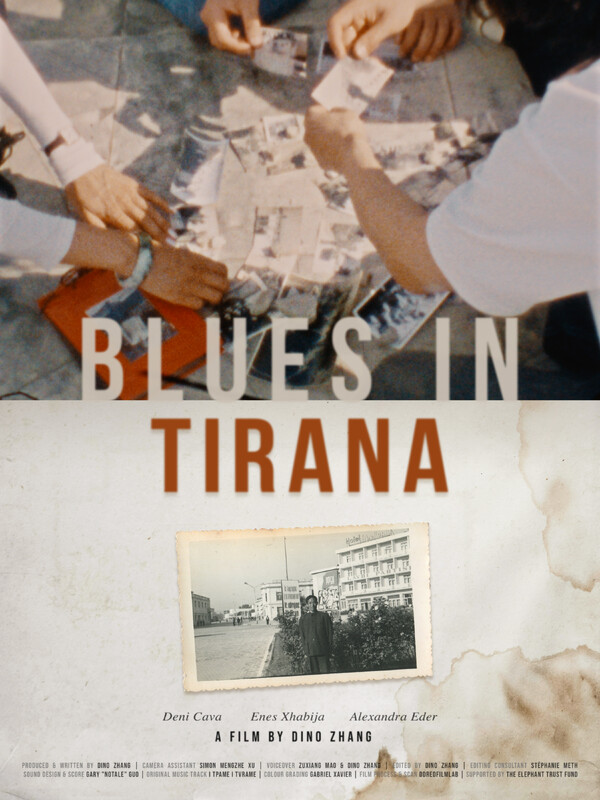
Blues in Tirana
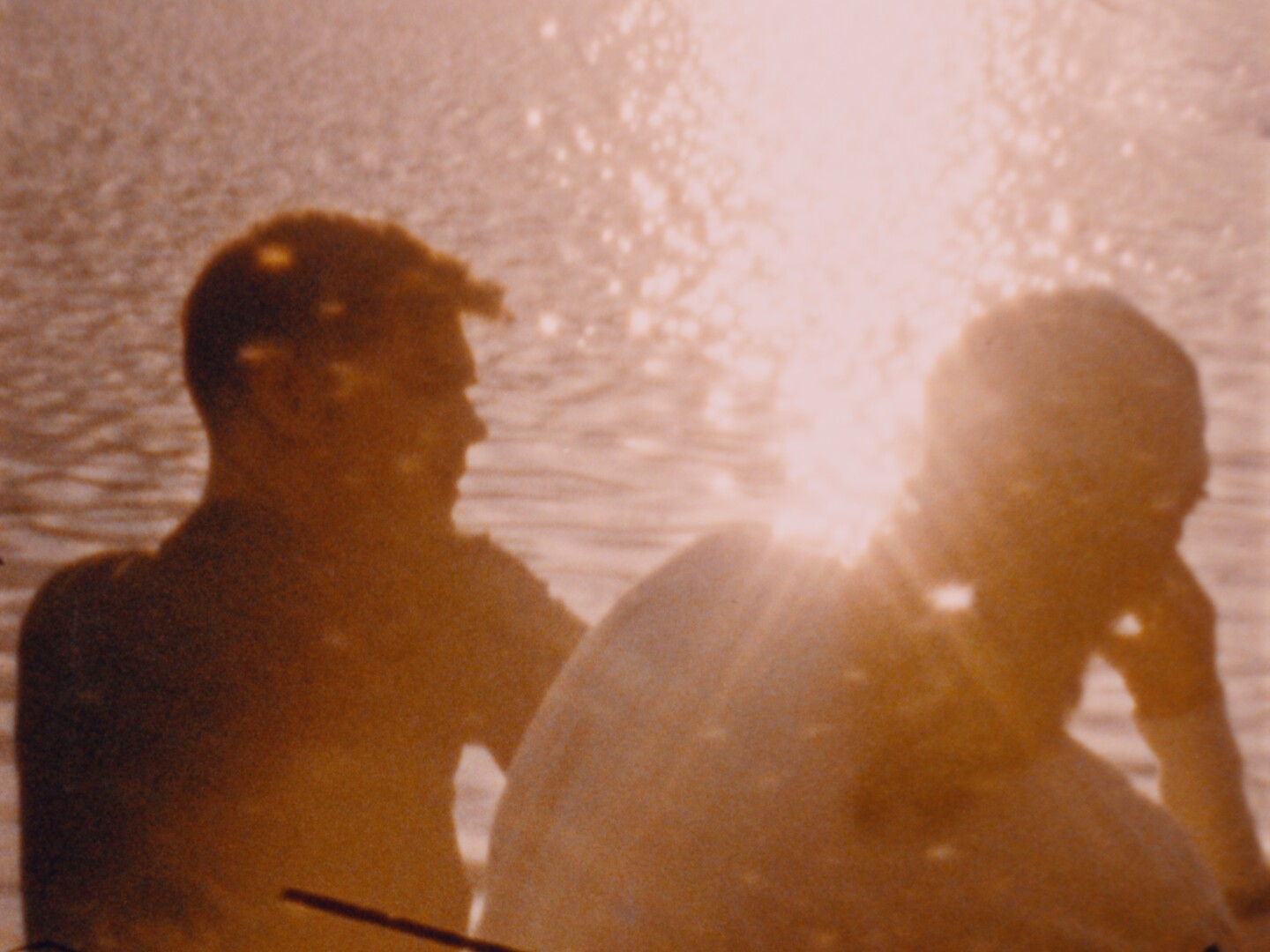
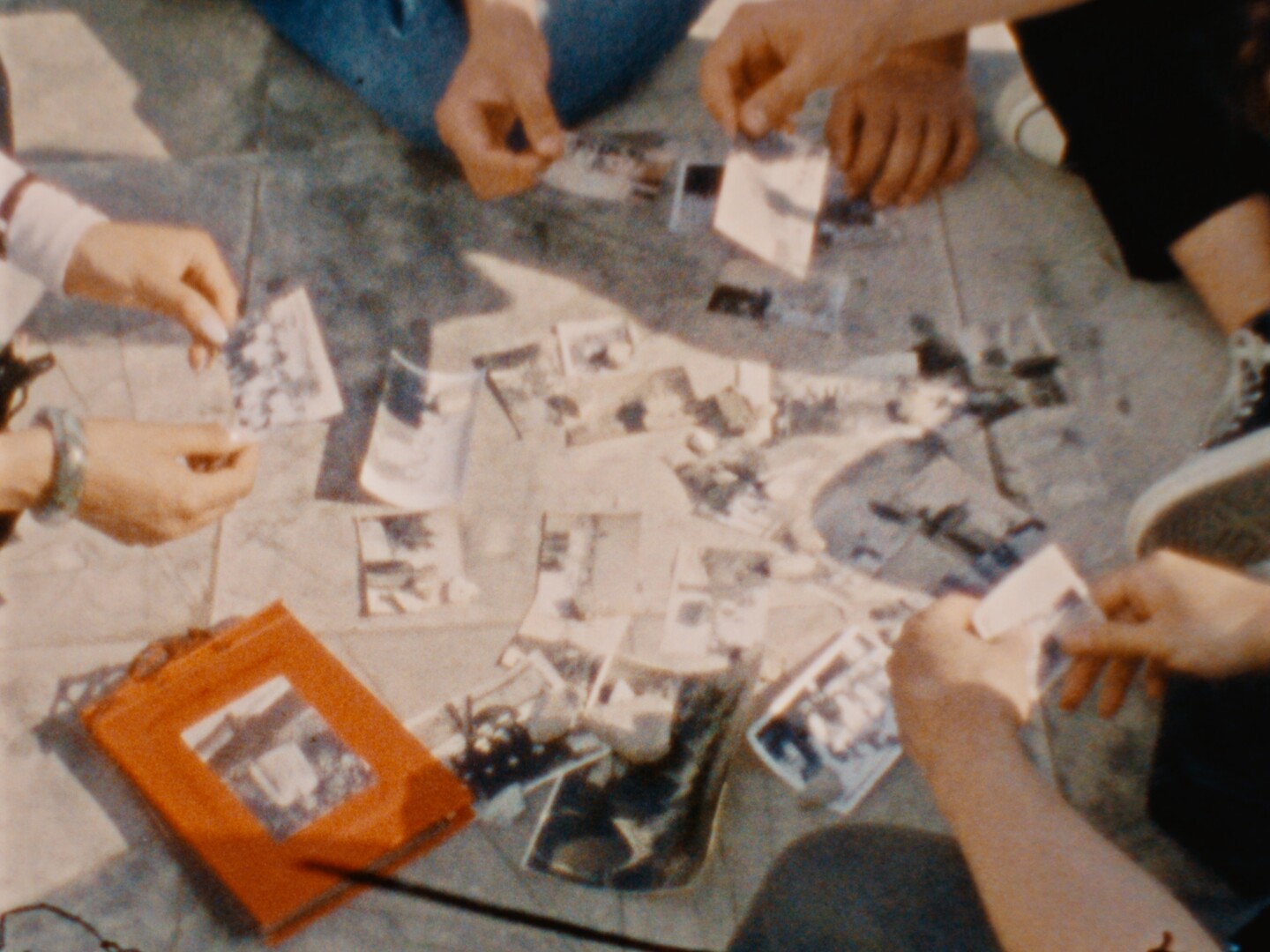
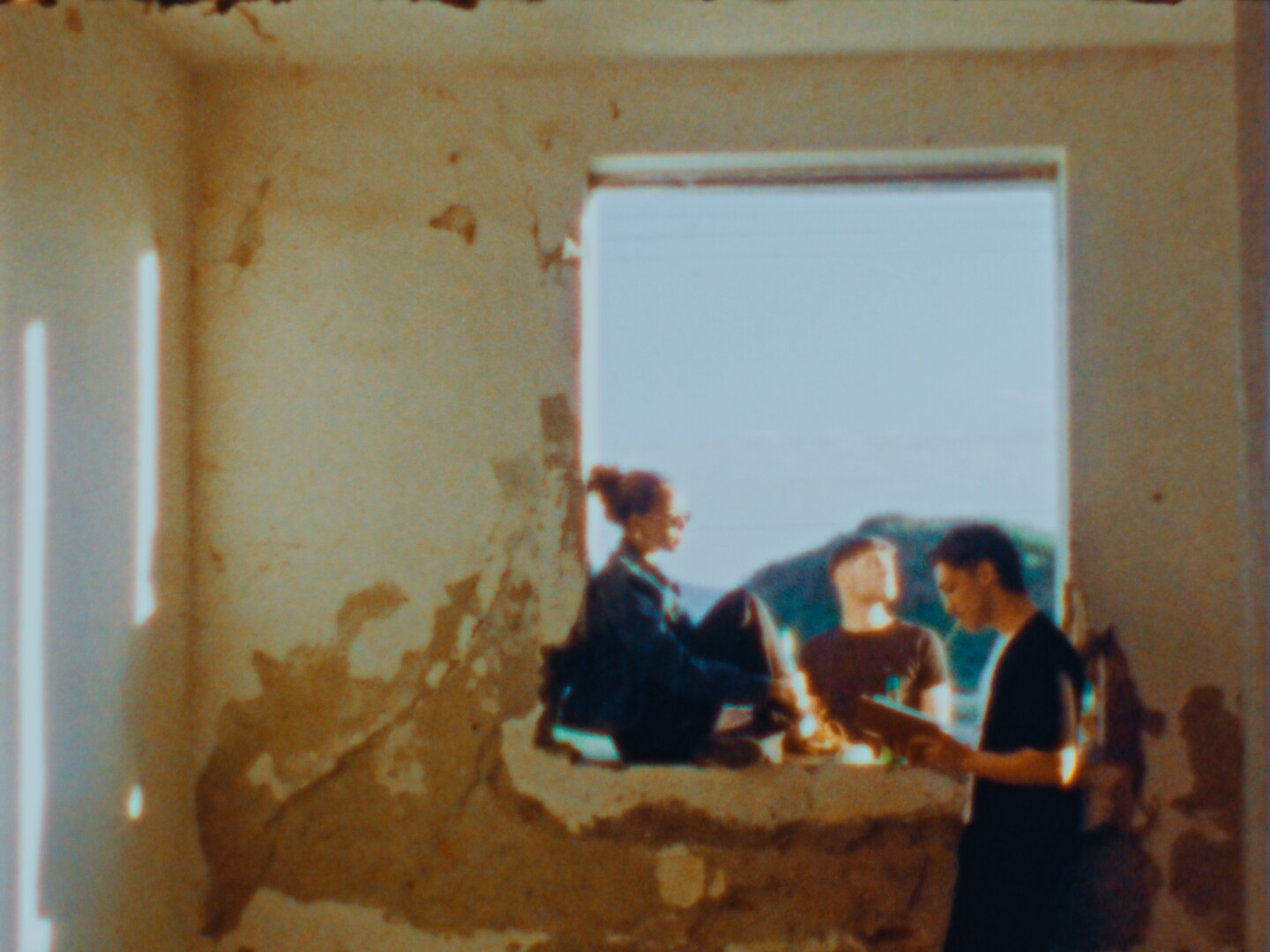
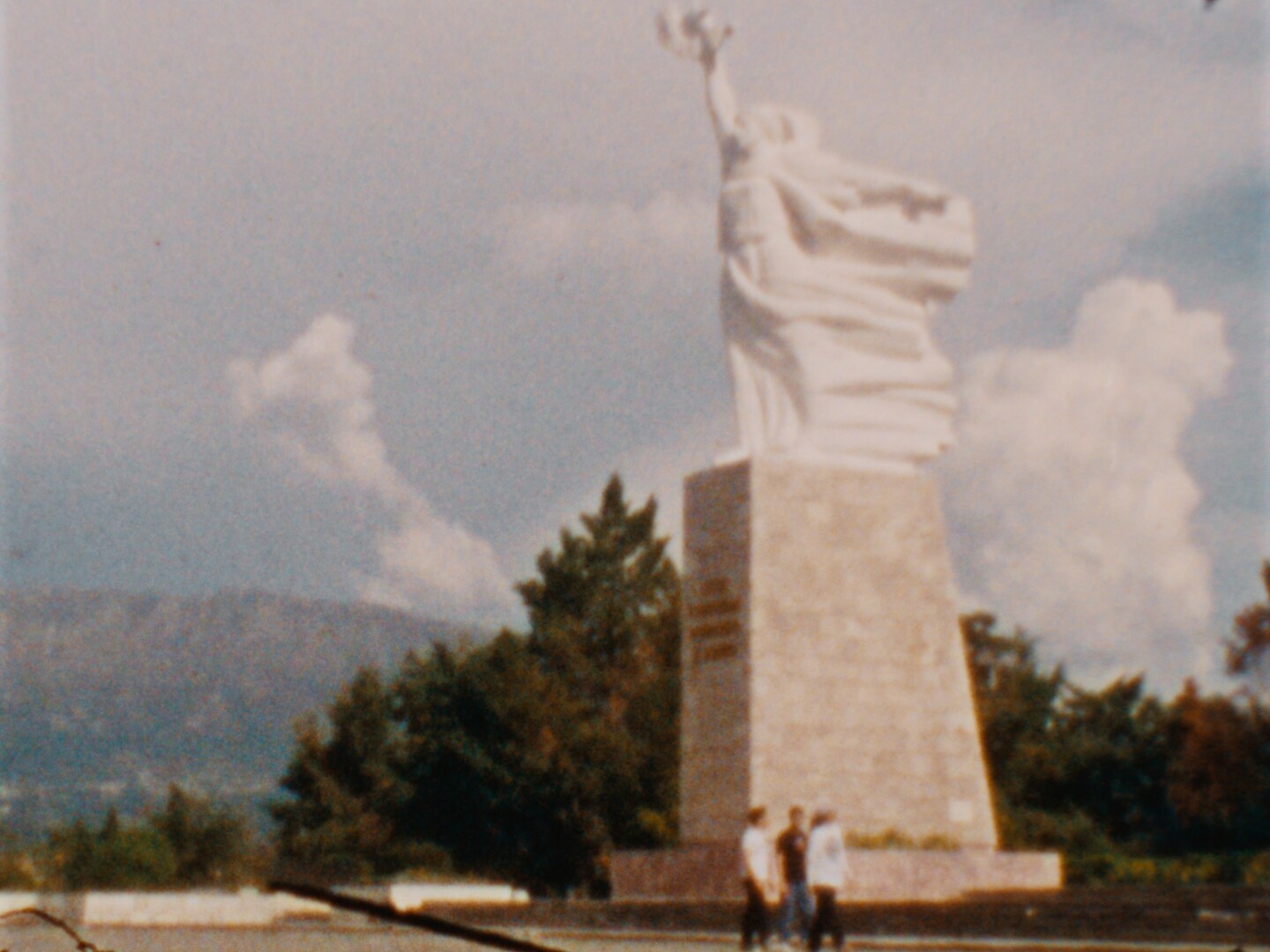
47 years after the rupture between Albania and China, a young Chinese filmmaker returns to Tirana in place of his grandfather. Alongside three Albanian students, he pieces together the turbulent global picture of the Cold War using old photographs, poetry, and an uneasy future.
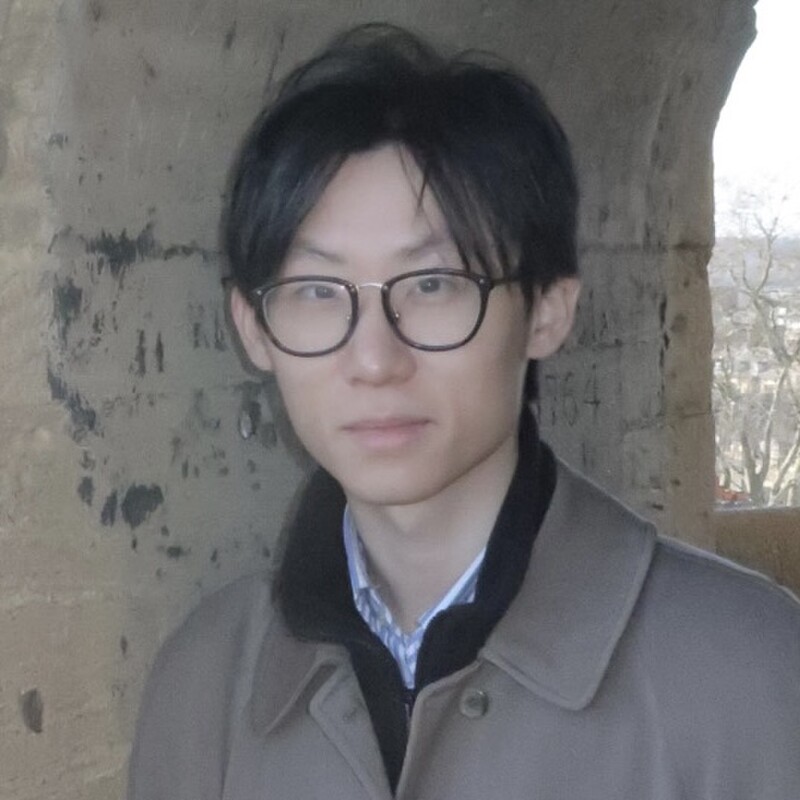
DIRECTOR BIOGRAPHY - Dino Zhang
Dino Zhang is an artist filmmaker and researcher based in London and Shanghai. He holds an MFA degree from the Ruskin School of Art, University of Oxford and a BA degree in Fine Art from the Central Saint Martins. His works have recently been presented at TANK Shanghai; the Beijing International Short Film Festival 2023&2024; HOME, Manchester; the Slow Film Festival 2024, London; The Bomb Factory Art Foundation, London; and MOUart Gallery, Beijing. He is the recipient of the FLAMIN fellowship 25/26 and the Elephant Trust Award 2024. Zhang's practice weaves together threads of memory, history, and identity. Employing an autoethnographic framework to retrace the past, he approaches his practice as inherently research-oriented, gathering cumulative materials and archives from his family and where he grew up. Through grieving, contemplating, and reconciliation with the contradictory discourses of the past, he seeks heterochronic narratives that connect us to the field of socio-cultural history. Often taking the form of expanded cinema, his works move from a mode of thought and lyricism to a mode of resilience, stretching beyond the expanding landscape of archival imagery. His research centres on these questions: In a world striving for co-existence, how do we embody a burdened past? And how can cinema serve as a medium for navigating a phantasmagoria of ideologies and guide us toward transcendence? To address these questions, he proposes and practices the concept of “historical montage”, viewing it as a dialectical method for reorganizing and restructuring the past. His research methodology combines experimental filmmaking, particularly expanded cinema, archival research, and autoethnographic methods, aiming to develop an emancipatory practice capable of addressing the ideological fractures and temporal gaps in understanding a multifaceted socio-cultural history.
Dino Zhang
Dino Zhang is an artist filmmaker and researcher based in London and Shanghai. He holds an MFA degree from the Ruskin School of Art, University of Oxford and a BA degree in Fine Art from the Central Saint Martins. His works have recently been presented at TANK Shanghai; the Beijing International Short Film Festival 2023&2024; HOME, Manchester; the Slow Film Festival 2024, London; The Bomb Factory Art Foundation, London; and MOUart Gallery, Beijing. He is the recipient of the FLAMIN fellowship 25/26 and the Elephant Trust Award 2024. Zhang's practice weaves together threads of memory, history, and identity. Employing an autoethnographic framework to retrace the past, he approaches his practice as inherently research-oriented, gathering cumulative materials and archives from his family and where he grew up. Through grieving, contemplating, and reconciliation with the contradictory discourses of the past, he seeks heterochronic narratives that connect us to the field of socio-cultural history. Often taking the form of expanded cinema, his works move from a mode of thought and lyricism to a mode of resilience, stretching beyond the expanding landscape of archival imagery. His research centres on these questions: In a world striving for co-existence, how do we embody a burdened past? And how can cinema serve as a medium for navigating a phantasmagoria of ideologies and guide us toward transcendence? To address these questions, he proposes and practices the concept of “historical montage”, viewing it as a dialectical method for reorganizing and restructuring the past. His research methodology combines experimental filmmaking, particularly expanded cinema, archival research, and autoethnographic methods, aiming to develop an emancipatory practice capable of addressing the ideological fractures and temporal gaps in understanding a multifaceted socio-cultural history.