

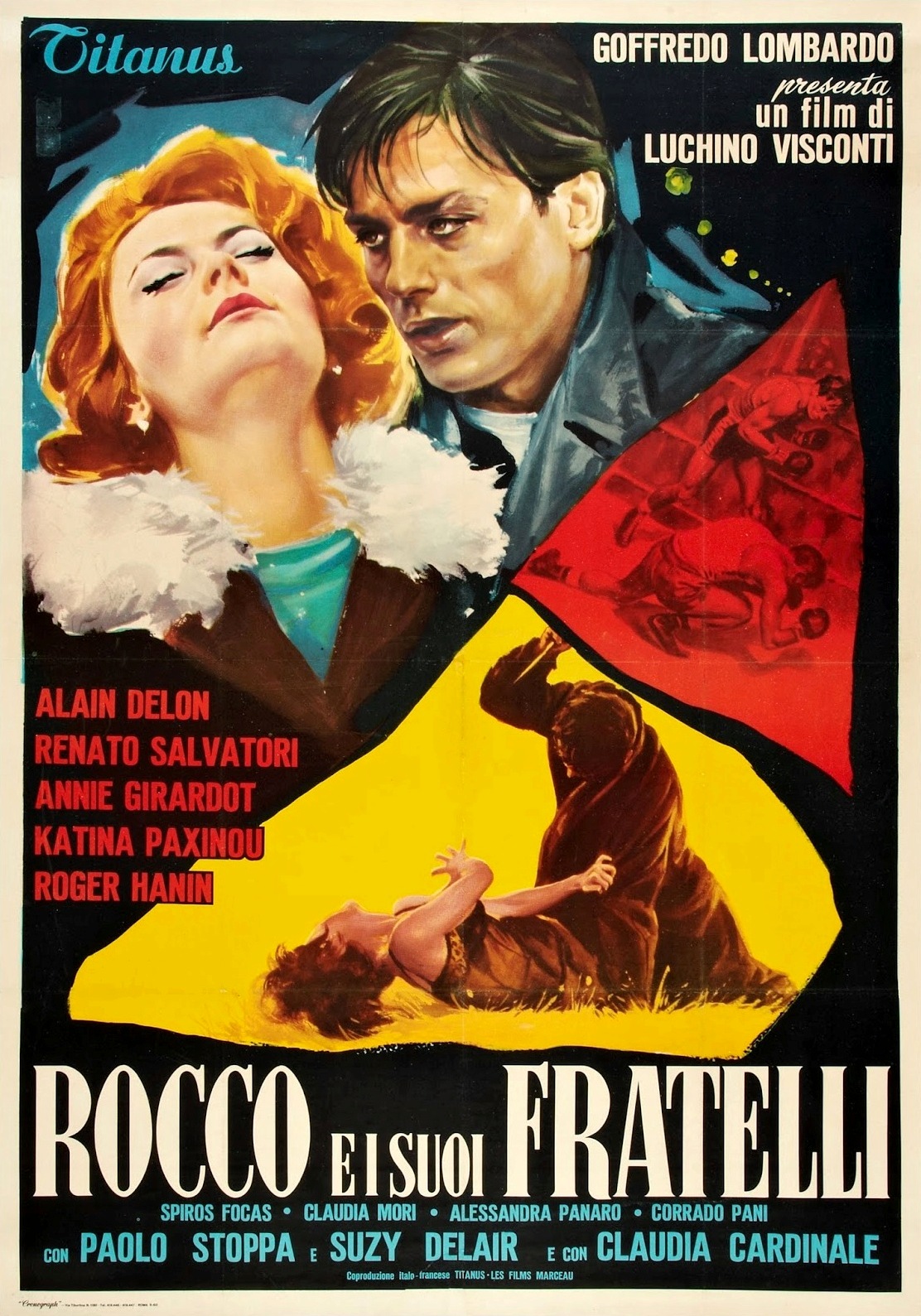
Rocco and His Brothers
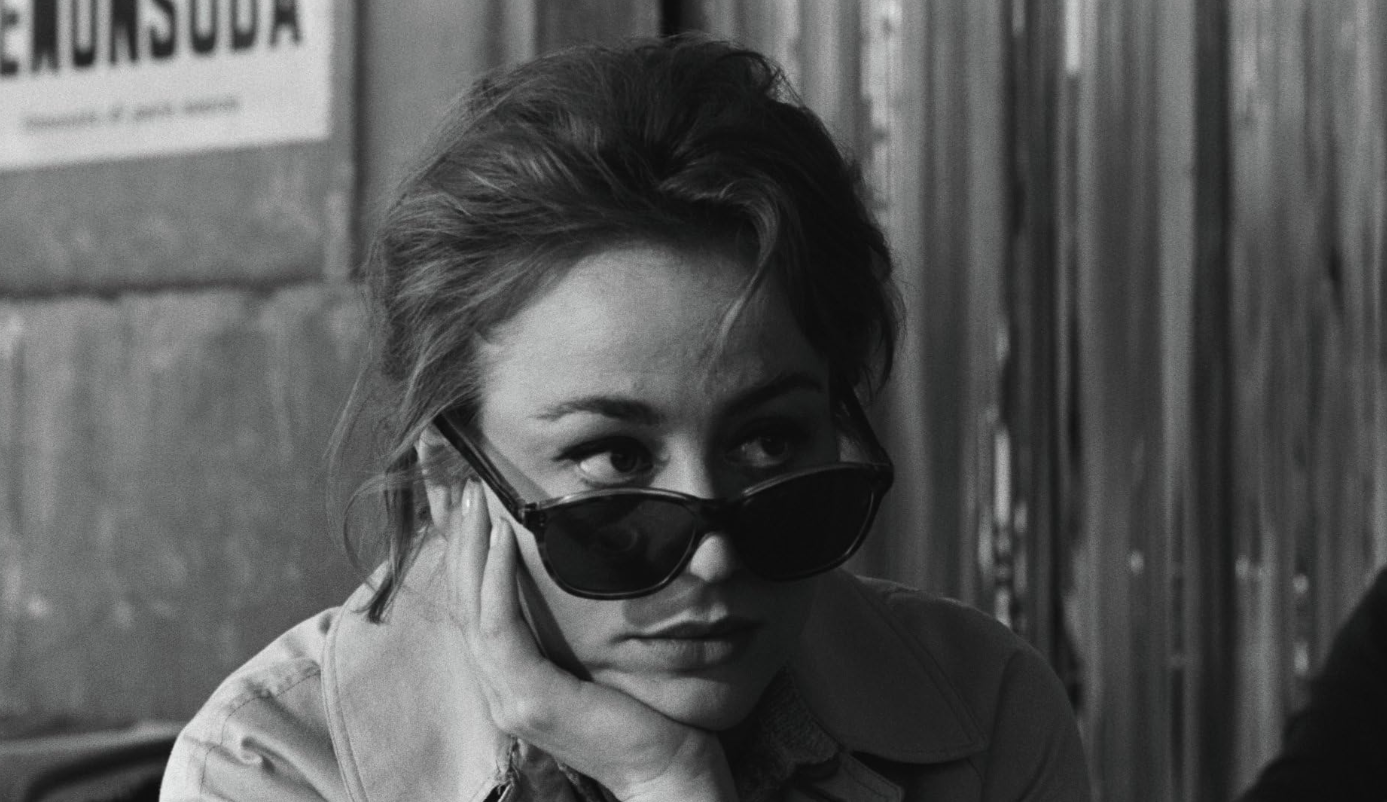
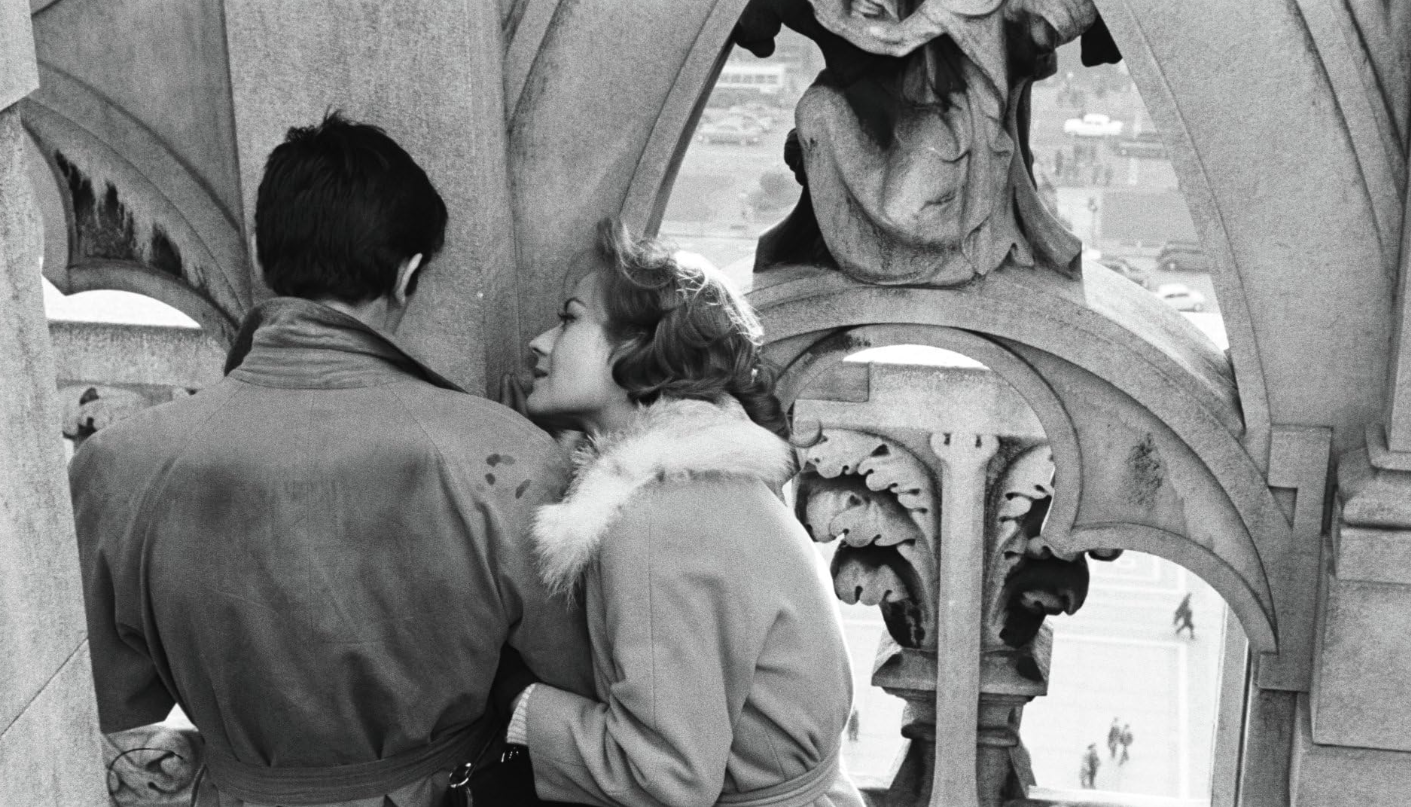
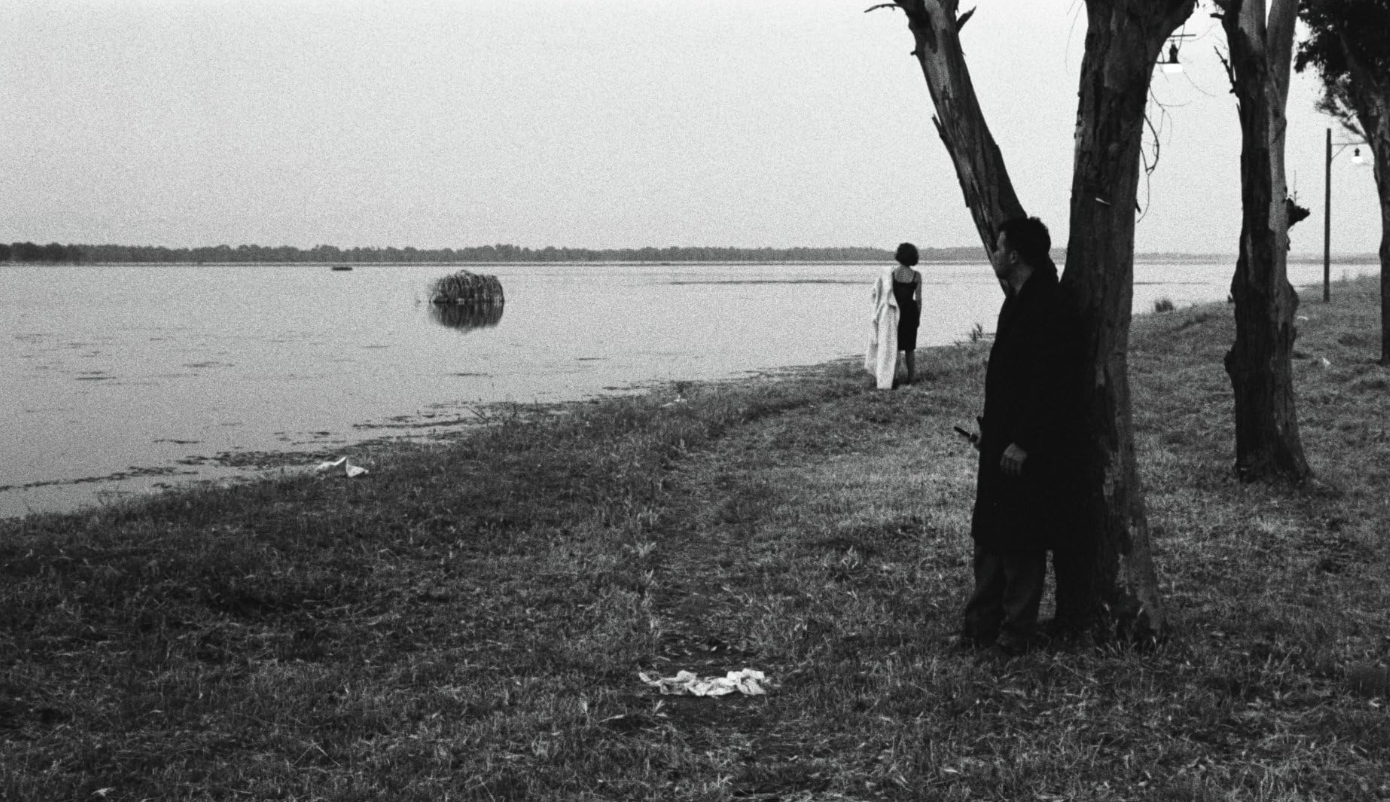
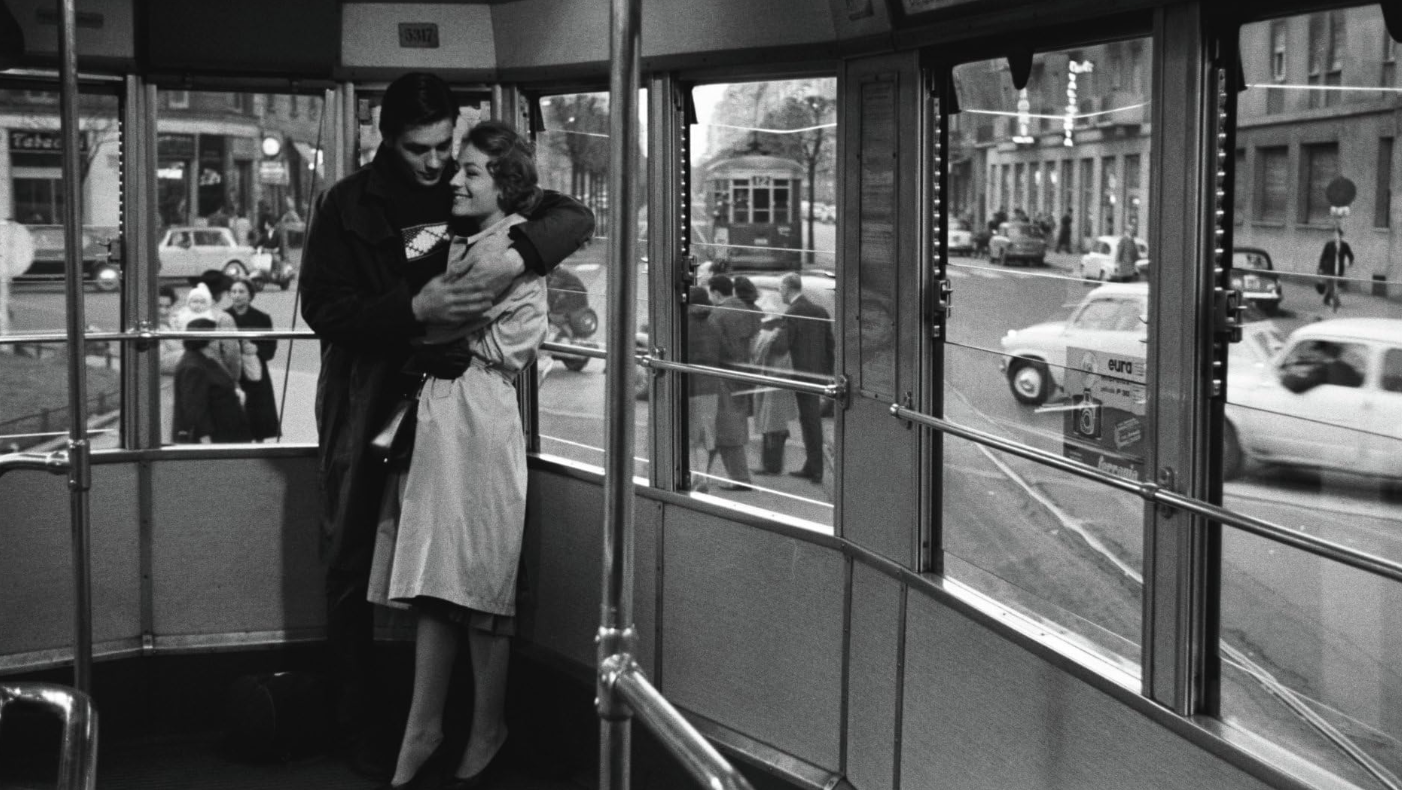
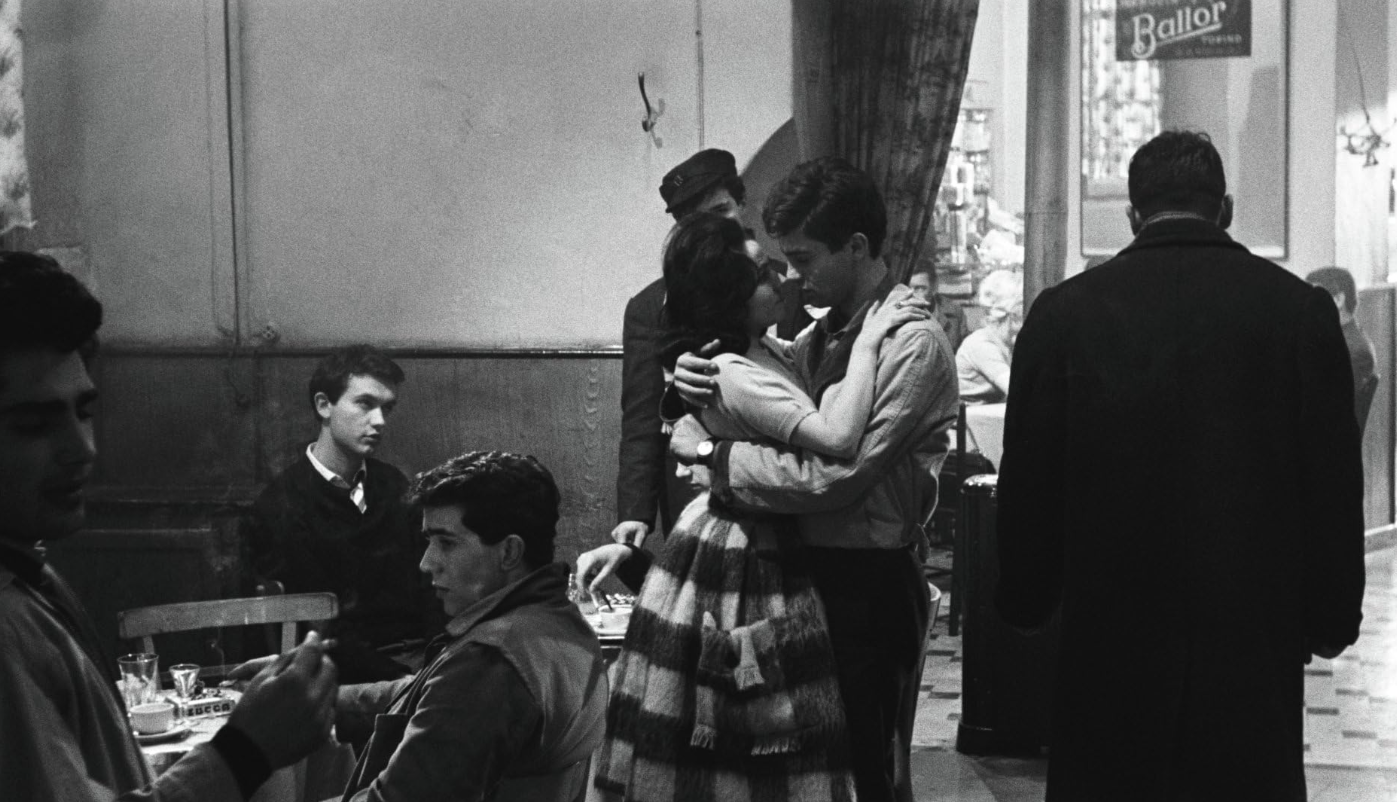
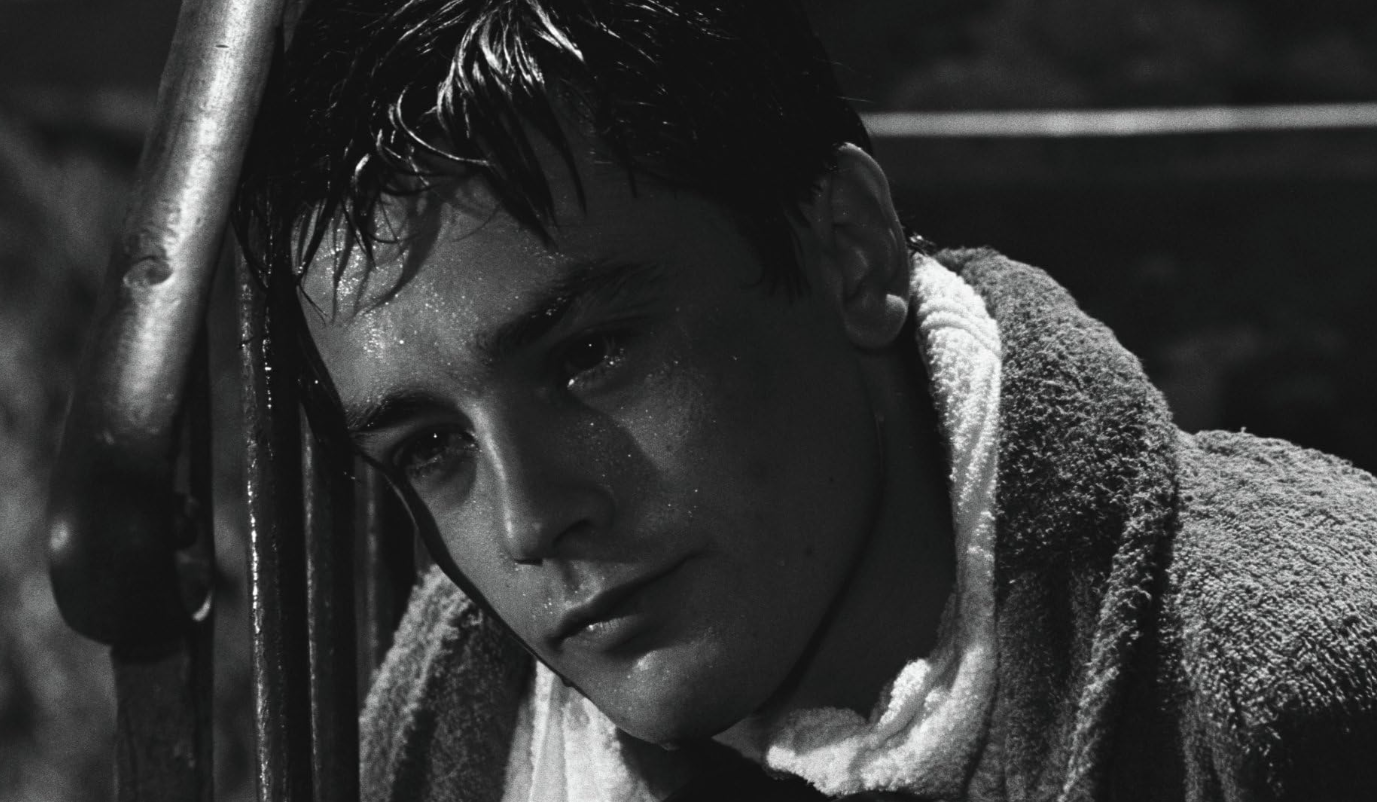
After Simone along with his big family moves to Milan, he falls in love with Nadia, a sex worker. Trouble ensues when Nadia refuses to reciprocate his feelings and becomes attracted to his brother.
DIRECTOR BIOGRAPHY - Luchino Visconti
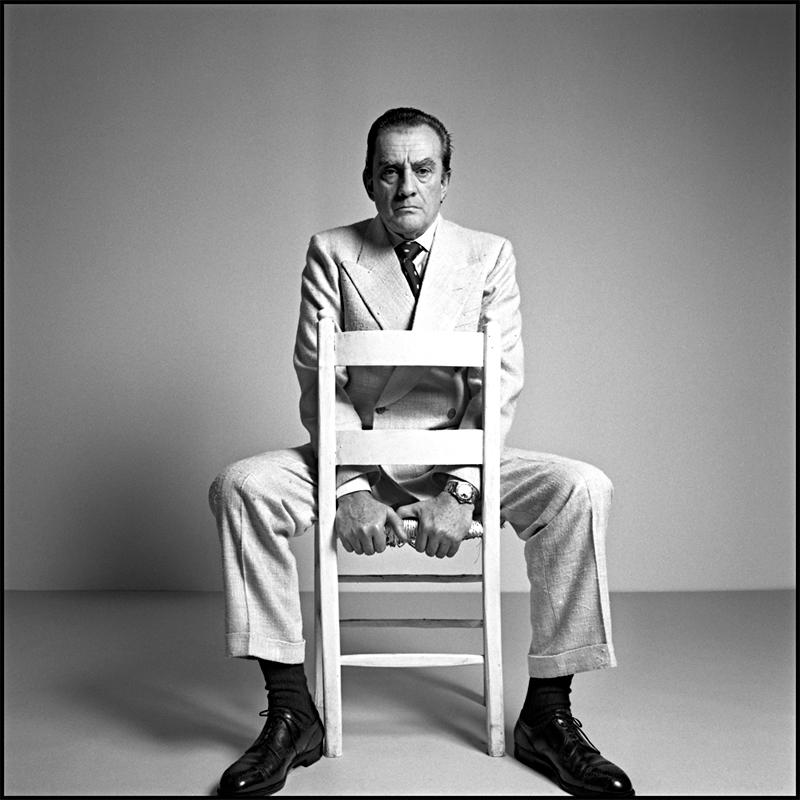
Luchino Visconti (1906–1976) was one of the most influential figures in Italian cinema and a founding force of Italian Neorealism. Born in Milan into an aristocratic family, Visconti brought to filmmaking a distinctive combination of social realism, artistic sophistication, and meticulous visual composition. He began his career in cinema as an assistant to Jean Renoir and made his directorial debut with Ossessione (1943), a landmark film widely regarded as a precursor to Italian Neorealism. He went on to create some of the most celebrated films in the history of cinema, including La Terra Trema (1948), Bellissima (1951), Senso (1954), Rocco and His Brothers (1960), The Leopard (1963), The Damned (1969), Death in Venice (1971), and Ludwig (1973). Visconti’s cinema explored themes of social change, class, history, desire, decadence, and the conflict between the individual and society. His films are renowned for their extraordinary attention to detail, richly composed imagery, elaborate production design, expressive use of music, and profound psychological depth. Beyond cinema, Visconti was also a major figure in theatre and opera, directing productions at some of Europe’s most prestigious institutions. His legacy remains fundamental to world cinema. Visconti’s work continues to inspire generations of filmmakers and stands as a remarkable synthesis of realism, visual beauty, historical consciousness, and profound human drama.
Luchino Visconti
Luchino Visconti (1906–1976) was one of the most influential figures in Italian cinema and a founding force of Italian Neorealism. Born in Milan into an aristocratic family, Visconti brought to filmmaking a distinctive combination of social realism, artistic sophistication, and meticulous visual composition. He began his career in cinema as an assistant to Jean Renoir and made his directorial debut with Ossessione (1943), a landmark film widely regarded as a precursor to Italian Neorealism. He went on to create some of the most celebrated films in the history of cinema, including La Terra Trema (1948), Bellissima (1951), Senso (1954), Rocco and His Brothers (1960), The Leopard (1963), The Damned (1969), Death in Venice (1971), and Ludwig (1973). Visconti’s cinema explored themes of social change, class, history, desire, decadence, and the conflict between the individual and society. His films are renowned for their extraordinary attention to detail, richly composed imagery, elaborate production design, expressive use of music, and profound psychological depth. Beyond cinema, Visconti was also a major figure in theatre and opera, directing productions at some of Europe’s most prestigious institutions. His legacy remains fundamental to world cinema. Visconti’s work continues to inspire generations of filmmakers and stands as a remarkable synthesis of realism, visual beauty, historical consciousness, and profound human drama.